Your cart is empty
Continue Shopping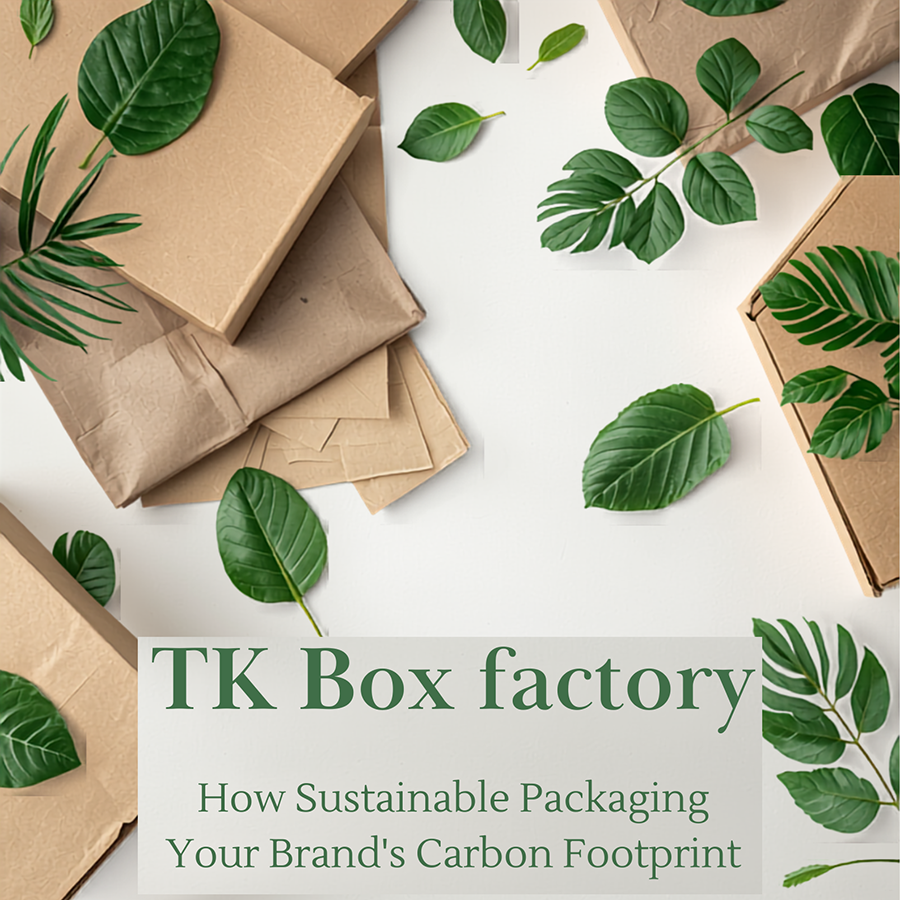
How Sustainable Packaging Reduces Your Brand's Carbon Footprint
Consumers today judge a brand not just by what's inside the box, but by the box itself. As sustainability moves from a marketing buzzword to a genuine purchase driver, the packaging you choose has become one of the fastest, most visible ways to shrink your company's carbon footprint — without touching your core product at all.
Why Packaging Is a Carbon Hotspot
Packaging often gets overlooked in carbon audits because it feels secondary to the product. In reality, virgin plastic and non-recyclable composite materials carry a heavy footprint across their entire lifecycle: raw material extraction, energy-intensive manufacturing, long-distance shipping, and — for most conventional packaging — a one-way trip to a landfill or incinerator. Multiply that by every unit you ship, and packaging can quietly become one of the largest controllable emissions sources in your supply chain.
Where the Savings Actually Come From
1. Lighter materials mean lighter shipments. Switching from rigid plastic clamshells or heavy laminated boxes to corrugated kraft paper or recycled cardboard reduces the weight of every shipment. Lighter pallets mean fewer trucks, fewer flights, and a measurable cut in transportation emissions — one of the largest contributors to a product's total carbon footprint.
2. Recycled and FSC-certified materials cut upstream emissions. Paper sourced from responsibly managed forests, or made from post-consumer recycled fiber, requires significantly less energy and water to produce than virgin material. Choosing FSC-certified paper boxes or bags is a simple, verifiable way to lower the embodied carbon in every unit you sell.
3. Recyclable and compostable structures close the loop. Mono-material designs — a single type of paper or cardboard with no mixed-material laminates — are far easier for municipal recycling systems to actually process. Packaging that's designed to be recycled or composted keeps material in circulation instead of in a landfill, avoiding the emissions associated with producing replacement material from scratch.
4. Right-sized packaging eliminates wasted space and material. Custom-fit boxes reduce the need for excess filler material and allow more units per pallet and per truck, which compounds into meaningful fuel savings at scale.
What This Looks Like in Practice
A brand that switches from a plastic-lined shipping box to a custom, right-sized kraft paper box with soy-based ink printing can typically reduce the packaging-related carbon footprint of each shipment substantially — while also lowering material costs and improving unboxing presentation. It's one of the few sustainability initiatives that pays for itself in both brand perception and logistics savings.
Getting Started
You don't need to overhaul your entire supply chain overnight. Start with:
- Auditing your current packaging materials and identifying the heaviest, least recyclable components.
- - Requesting FSC-certified or recycled-content paper options from your packaging supplier.
- - Right-sizing your boxes to your actual product dimensions.
- - Choosing mono-material designs over mixed laminates wherever possible.
Sustainable packaging isn't just good for the planet — it's a visible signal to customers that your brand's values extend all the way to the box on their doorstep. If you're ready to redesign your packaging with sustainability in mind, our team can help you source the right paper boxes, paper bags, and custom solutions for your product line.
常见问题
Truly sustainable packaging combines recyclable or compostable materials, FSC-certified or recycled paper fiber, and a mono-material design that avoids mixed plastic-paper laminates. It also fits the product closely, so no wasted material or space is shipped.
Not necessarily. While some certified materials carry a small premium, right-sizing boxes and reducing material weight often offsets that cost through lower shipping and dunnage expenses, so the total landed cost is frequently similar or lower.
3 Comments
This book is a treatise on the theory of ethics, very popular during the Renaissance.
Praesent bibendum risus pellentesque faucibus rhoncus.
Etiam a mollis odio. Integer urna nisl.