简体中文
简体中文  English
What is BIB box-in-bag packaging?
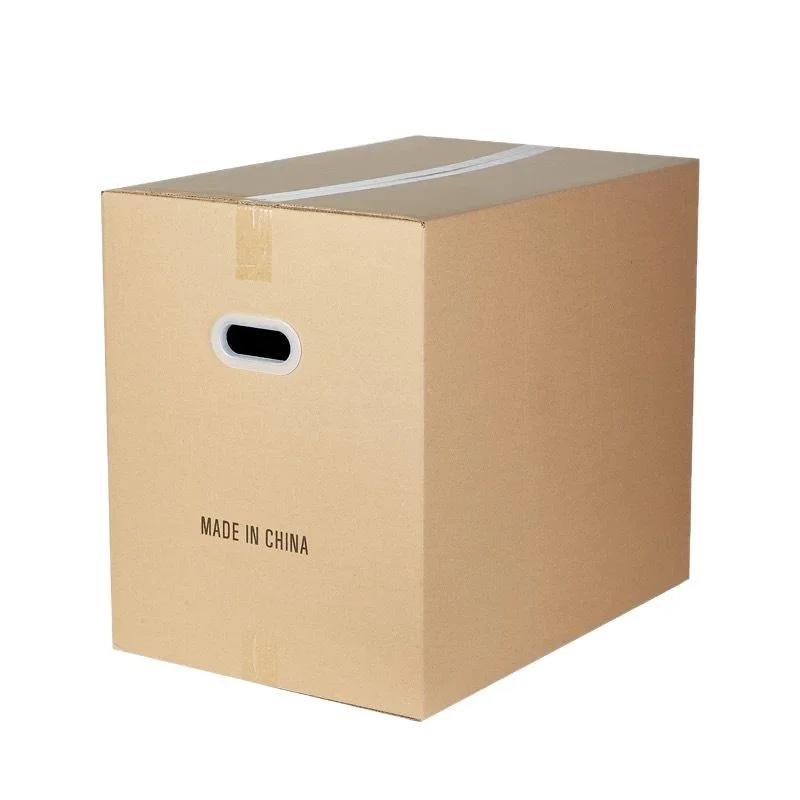
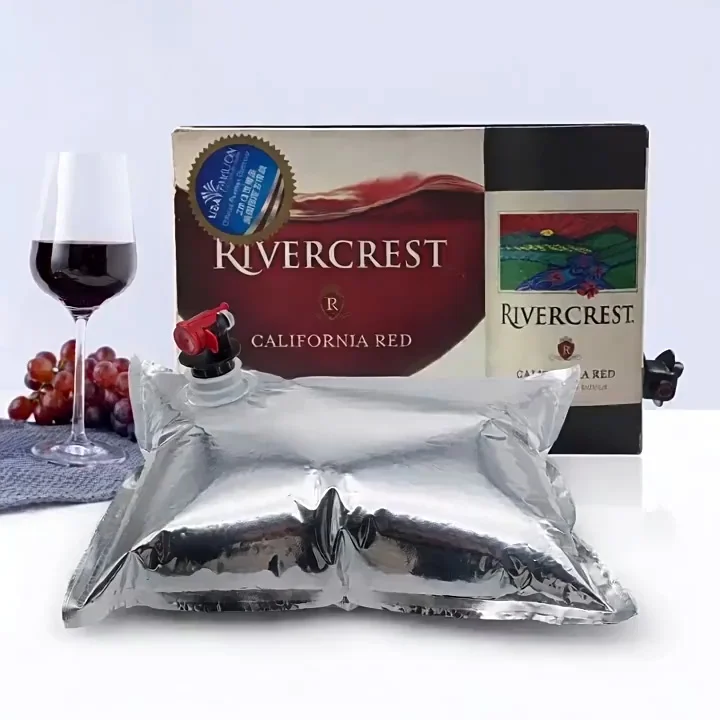
The BIB bag-in-box consists of three core parts:the liquid inner bag ,the liquid outlet valve and the carton outer box.
The inner bag is in direct contact with the liquid and is usually of a multi-layer composite film structure; the outer box provides physical protection and assumes the function of printing Branding; the liquid outlet valve determines whether the access method is convenient.
Consumers do not need to screw the cap or dump it when using it, and only need to use it through the valve to withdraw the liquid on demand. This is particularly useful in restaurants, hotels, coffee shops, bars and family hoarding scenarios.
Which products is suitable for BIB packaging?
BIB is not a universal package, but the following product categories perform well:
| product type | Reason for adaptation |
|---|---|
| wine | The 3L/5L capacity meets the dinner scene, and the shelf life after opening is longer than that in bottles. |
| Juice and fruit and vegetable puree | Light away + high-barrier bag material can delay oxidation and lock in nutrition |
| Beverage concentrate/syrup | Small bags are sub-packed and matched with quantitative valves to reduce waste |
| edible oil | The liquid outlet is controllable to avoid excessive dumping; the transportation weight is greatly reduced |
| seasoning liquid | Commercial kitchen scenarios require quick liquid delivery, and the valve design matches perfectly |
| Liquid food additives | Customized bag materials meet different chemical stability requirements |
BIB's three core components of a bag-in-box
1. How to choose the inner bag material?
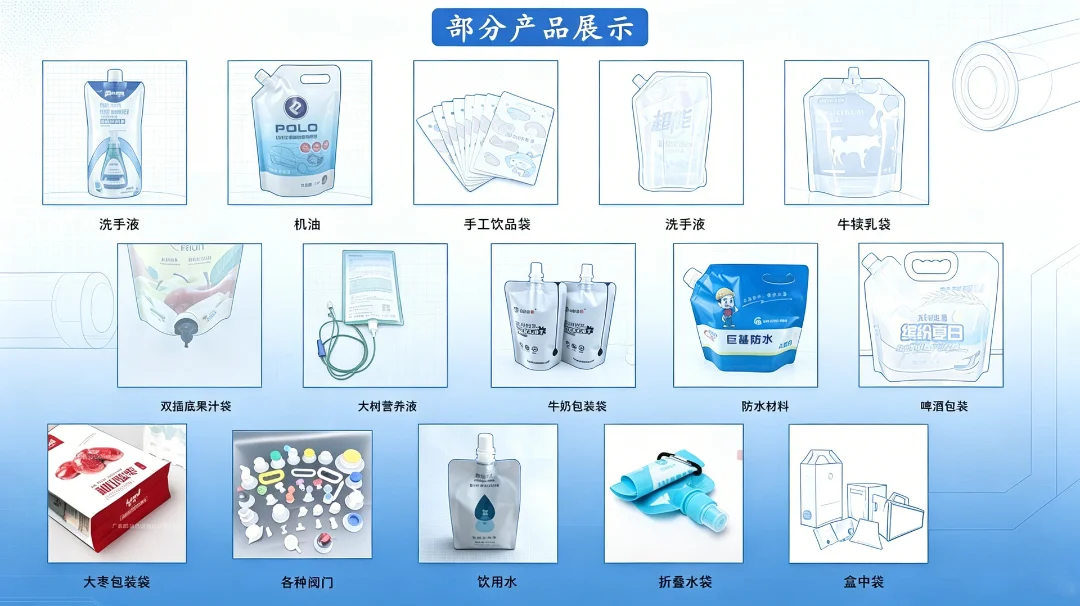
The inner bag is the most direct contact layer for the contents, and the material selection directly affects the shelf life and stability of the product.
| Bag material type | characteristics | applicable scenarios |
|---|---|---|
| Transparent composite bag | Visually see the remaining liquid amount for consumers to judge | Fruit juice, beverage concentrate |
| High-barrier aluminum foil composite bag | Protect from light, oxygen and moisture, and have a longer shelf life | Wine, edible oil, seasoning liquid |
| Nylon co-extruded bag | Anti-puncture and high temperature resistance, and can be filled after pasteurization | Yogurt base, dairy products |
Selection principles: Integratecomprehensive judgment based on filling temperature, storage cycle, transportation environment and product formula, rather than simply applying the same plan.
2. Fluid outlet valves: the key to the fluid extraction experience
Although the valve is small, it directly determines the convenience of use. Common types include:
- Screw-cap liquid outlet nozzle: suitable for one-time or small-amount extraction
- Ordinary faucet valves: meet the needs of commercial continuous liquid discharge and are convenient to operate
- Quantitative valve: Accurately controls the liquid output to avoid waste, and is mostly used for syrups and concentrates
- Anti-backflow valve: Prevent air from entering the bag and extend the shelf life after opening
Selection logic:Wine/juice/syrup gives priority to continuous liquid discharge ability; edible oil/flavoring liquid gives priority to pouring control and valve tightness.
3. Carton outer box: not just a protective layer
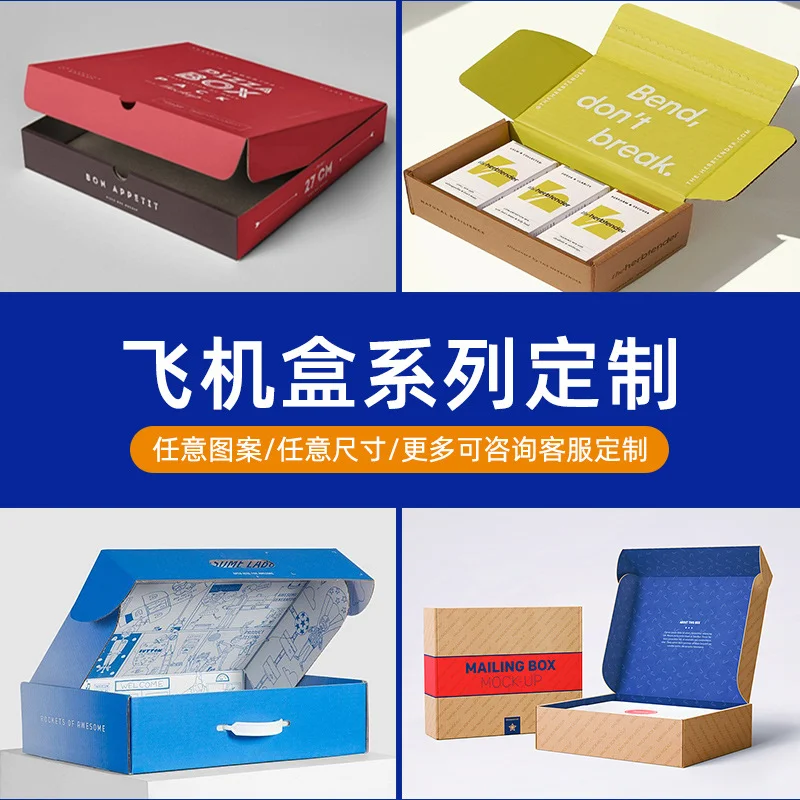
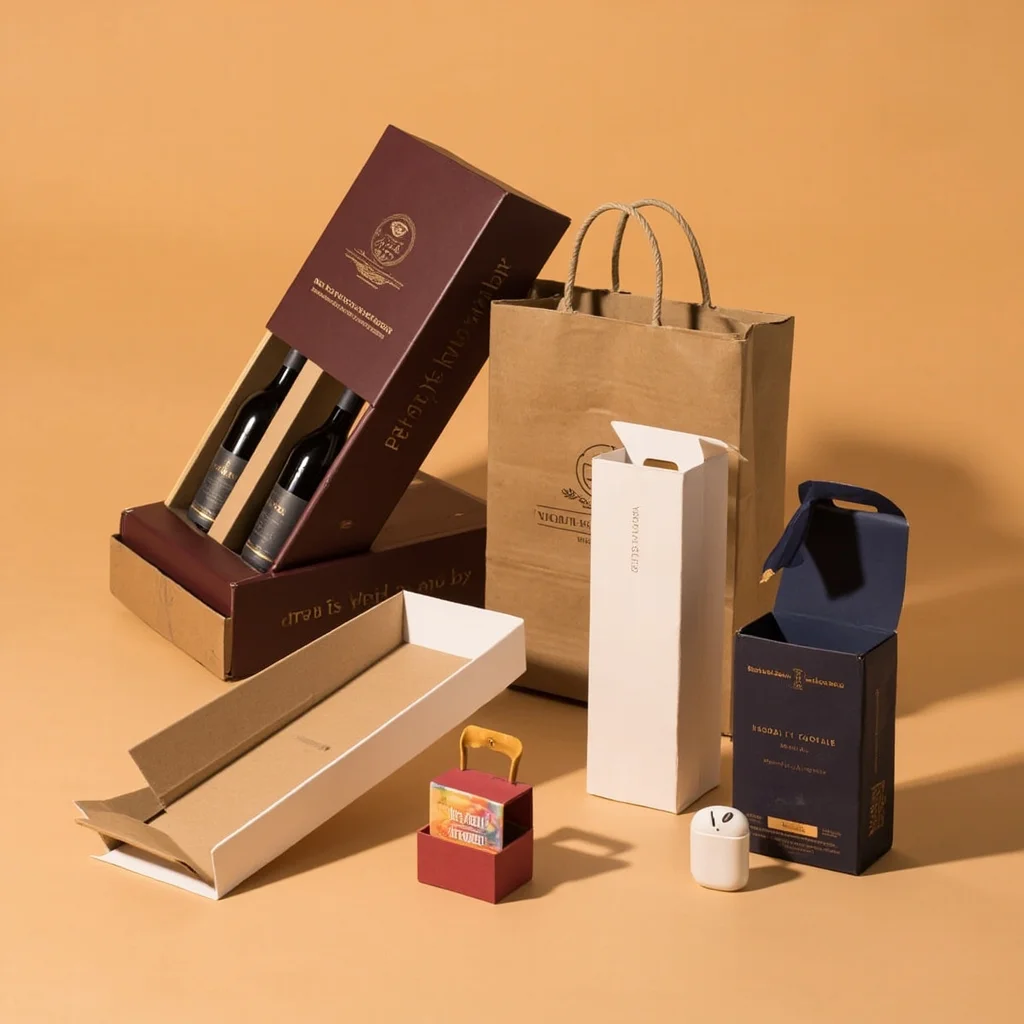
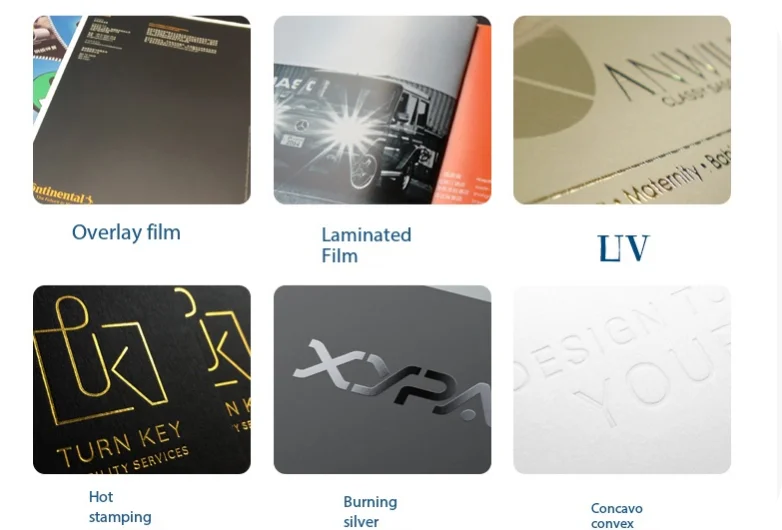
The outer box is the first visual carrier for consumers to contact products, and it bears the dual functions of display attraction and brand communication.
- Print brand graphics, product information, instructions and marketing content
- Compared to pure soft bags, BIB packaging has higher integrity in shelf display and gift box sales
- Folding design facilitates transportation and storage, saving warehousing space
BIB packaging vs traditional bottle/barrel: A comprehensive comparison
| comparative dimension | BIB Bag in Box | Traditional bottled | Traditional barrel |
|---|---|---|---|
| transportation costs | Reduce 30-40% | higher | medium |
| Weight per unit capacity | Light (lighter than a bottle for the same capacity) | heavy | heaviest |
| Preservation period after opening | 4-6 weeks (inert gas protection) | 1-2 weeks | 2-4 weeks |
| filling efficiency | High (suitable for automated production lines) | medium | low |
| Suitable for capacity range | 3L-25L | 0.5L-2L | 5L-200L |
| Shelf display effect | Clean and stackable | neatly | large occupied space |
| Consumer access experience | Liquid delivery on demand and controllable | Focus on dumping | Focus on dumping |
| Brand display space | Large printing area on outer box | Limited label area | No printed surface |
| Suitable channel | Catering/Supermarket/Family/Gifts | retail-oriented | Industrial/Catering Wholesale |
Conclusion:If your product capacity is more than 3L and your target channel includes catering or home packaging scenarios, BIB's cost advantage and user experience are usually better than traditional solutions.
Standard process for customized BIB packaging (5 steps)
Customizing the BIB is not a simple selection of specifications, but requires the system to confirm the following information:
Step 1 -Confirm product attributes:What liquid is it? Acidity and alkali? Does it contain alcohol? Do you need to avoid light?
Step 2 -Determine the capacity range:How much capacity do you plan to fill? Is the target customer group small families or commercial catering?
Step 3 -Evaluate filling method:normal temperature filling or high temperature filling? This determines the temperature resistance requirements of the inner bag material.
Step 4 -Analyze the storage and transportation environment:Normal temperature storage or cold chain? Sea or land? What about the changes in vibration and temperature?
Step 5 -Confirm the specifications of the valve and outer box:Select the valve type and outer box printing plan based on the liquid outlet frequency and brand display requirements.
The more adequate the early confirmation, the lower the later adjustment cost, and the higher the match between packaging and products.
conclusion
BIB Bag-in-Box is not a single packaging bag, but asystematic packaging solution for liquid products. It integrates flexible inner bags, diversified valves and carton outer boxes, providing an unmatched balance between packaging efficiency, ease of use and brand presentation.
If you are looking for a more efficient, economical, and more suitable way to package drinks, juices, beverage concentrates, syrups, cooking oils or seasonings, the BIB bag in a box deserves careful evaluation.